
In the highly competitive snack food market, packaging is not just a physical barrier protecting the product; it is the first visual touchpoint that captures consumers’ attention. For candies and chocolates, candy pearlescent film packaging has become the preferred functional packaging solution for many food enterprises, thanks to its unique pearl-like luster and excellent protective properties.
Whether you are producing standard hard candies, milk-flavored soft chews, individually wrapped chocolate pieces, or wedding favors, pearlescent film perfectly balances “product protection” with “aesthetic enhancement.” For confectionery manufacturers seeking premium packaging solutions, deeply understanding the material characteristics and application logic of pearlescent film is a crucial step toward making the right purchasing decision. This article provides a comprehensive analysis of the core technologies and practical application scenarios of candy pearlescent film packaging.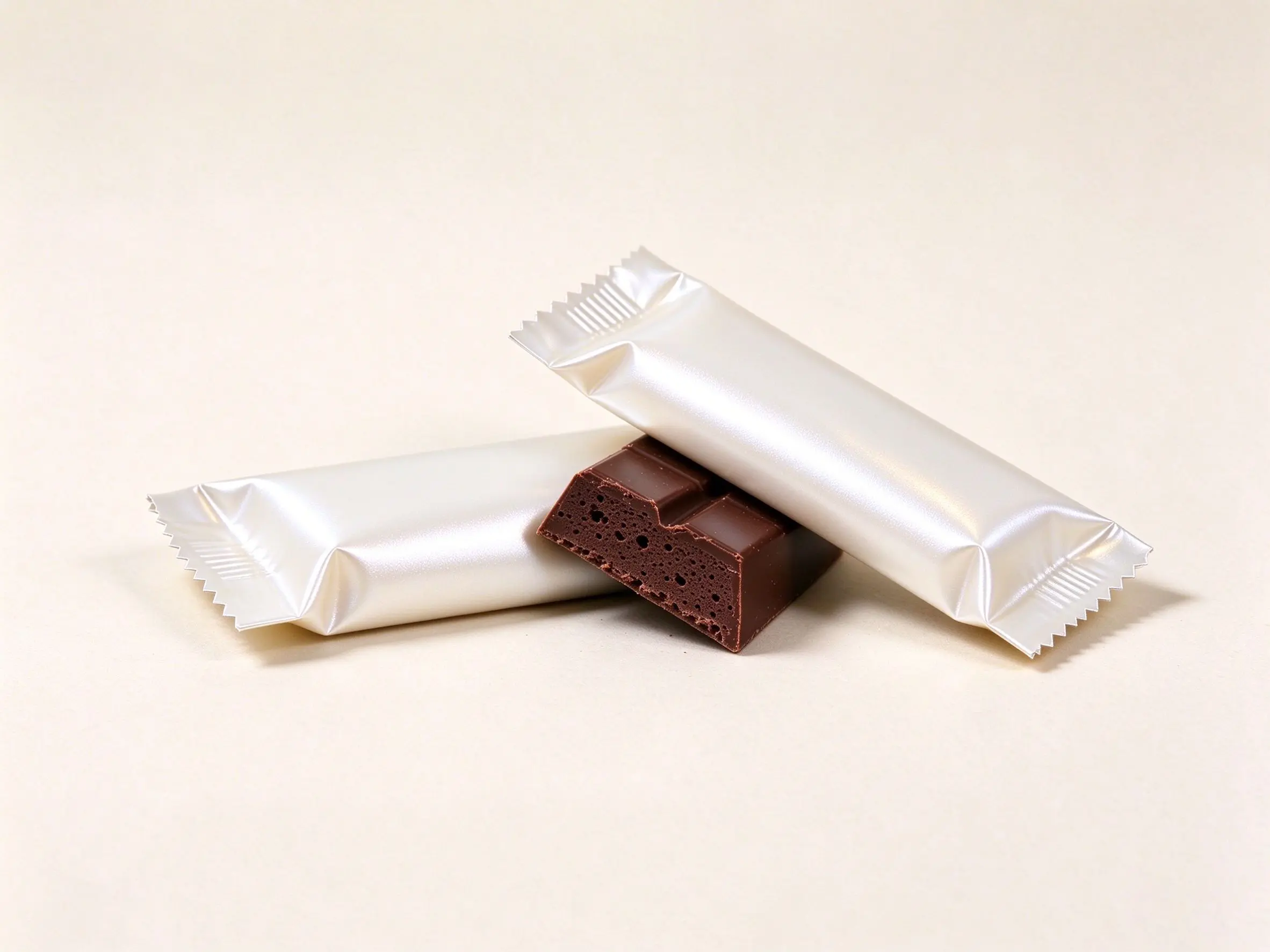
1. What is Candy Pearlescent Film? Debunking the Surface Coating Myth
Many customers encountering pearlescent film for the first time mistakenly believe that its shiny effect comes from a surface coating of pearlescent ink. In reality, this is not the case. Candy pearlescent film uses modified BOPP (Biaxially Oriented Polypropylene) film as its base substrate, and its luster originates from physical structural changes within the film itself.
During the manufacturing stage, inorganic fillers such as calcium carbonate and titanium dioxide are added into the polypropylene resin. After the film undergoes the biaxial stretching process, a massive number of fine micro-voids are generated inside the film matrix. When light passes through the film, it continuously refracts and scatters among these micro-voids, creating a soft, delicate, and pearl-like gloss.
The intensity of this gloss can be fully customized through formulation adjustments. We can develop high-gloss sparkling versions to catch the eye, or produce subtle matte pearlescent styles to precisely match the positioning of different tiers of candy brands.
2. Core Physical Protection Advantages of BOPP Pearlescent Film
As a packaging material in direct contact with food, candy pearlescent film inherits the core advantages of polypropylene films, easily handling the demands of modern high-speed production lines:
- Excellent Mechanical Properties: Lightweight yet possessing outstanding tensile and tear resistance. It runs smoothly on machines, perfectly adapting to high-speed automated packaging lines and effectively reducing downtime caused by film breakage.
- Basic Moisture Resistance: The film itself effectively blocks external moisture from directly contacting the candy body, preventing candies from absorbing water and becoming sticky, thereby maintaining their crisp or chewy texture.
- Low-Temperature Resistance: For chocolate products requiring cold chain logistics or low-temperature storage, this film maintains good flexibility in cold environments without becoming brittle or cracking.
It is important to note that single-layer BOPP pearlescent film has relatively weak heat resistance and is only suitable for standard cold-state packaging operations. Additionally, the oxygen barrier capacity of a single-layer film is at a medium level. Therefore, in practical applications, we must decide whether further lamination is required based on specific product characteristics.
3. Structural Design: How to Choose Between Single-Layer and Composite Solutions?
Given the limitations of the single-layer substrate’s oxygen barrier properties, when designing candy pearlescent film packaging solutions, we must scientifically select the structure based on the product’s shelf life and ingredients:
- Short Shelf-Life Products (e.g., Hard Candies, Standard Milk Candies): Directly using single-layer BOPP pearlescent twist film is sufficient to meet production needs. It showcases the pearlescent aesthetic while keeping packaging costs under control, offering extremely high cost-effectiveness.
- Long Shelf-Life and High-Fat Products (e.g., Premium Chocolates, Filled Soft Candies): Lamination is strongly recommended. By laminating the pearlescent film with a PE (Polyethylene) heat-seal layer or an aluminum foil layer, the overall oxygen and moisture barrier performance is significantly enhanced. This effectively mitigates issues like fat bloom (white frost) on the chocolate surface and lipid oxidation, substantially extending the product’s shelf life.
4. Analysis of Three Core Application Scenarios
1. Twist Wrapping: The Most Classic Candy Format
Twist wrapping is the primary application direction for pearlescent film. Traditional candy twisting production imposes strict requirements on the film’s “twist retention” capability. After directional stretching, BOPP pearlescent film does not easily spring back or loosen after being twisted, making it fully compatible with the continuous operation of high-speed twist wrapping machines. Printing red or gold patterns over the silver-white pearlescent background results in an exquisite and eye-catching finished product. It is especially favored for wedding favor candies during holiday seasons and remains the most familiar candy packaging format for general consumers.
2. Pillow Packaging: Efficient Composite Applications
On high-speed pillow packaging lines, composite forms of pearlescent film are typically used. The outer layer retains the pearlescent film for exquisite color printing, while the inner layer is configured with a heat-seal layer to complete the sealing process. Individually wrapped bar chocolates and filled candies frequently adopt this solution. The silver-white pearlescent background greatly enhances the saturation and vibrancy of color printing. Furthermore, many high-end gift boxes use die-cut pearlescent film sheets as internal liners or edge trims to elevate the overall visual luxury of the gift set.
3. Premium Cold Seal Technology: The Savior for Temperature-Sensitive Chocolates
For high-fat chocolates that melt easily, some premium brands opt for the cold seal version of pearlescent film. A specialized cold seal adhesive is coated on the film surface, allowing the package to be sealed without high-temperature heating. This completely eliminates the risk of the chocolate surface melting, oiling out, or suffering cosmetic damage due to heat sealing. This solution is widely used for mid-to-high-end souvenir chocolates, ensuring a secure seal while perfectly preserving the premium texture of the pearlescent gloss.
5. Embracing Sustainability: The Future of Recyclable Pearlescent Film
As global food packaging trends shift towards plastic reduction and recyclability, traditional candy pearlescent film is also undergoing material upgrades. Early pearlescent films had a high filler ratio, which posed obstacles to post-consumer recycling and reprocessing.
Currently, the packaging industry is vigorously developing low-fill modified pearlescent films and mono-material recyclable pearlescent film products. These innovative solutions significantly improve the recyclability of the film while retaining the signature pearlescent sparkling visual effect, helping confectionery companies seamlessly comply with increasingly stringent global environmental regulations and practice sustainable development.
6. Purchasing Guide: How to Select the Right Film for Your Product?
When procuring candy pearlescent film packaging, avoid focusing solely on the visual pearlescent effect. We recommend that manufacturers conduct a comprehensive evaluation across the following three dimensions:
- Product Attributes: Clarify the product’s shelf-life length and whether it contains high-fat ingredients to determine whether to use a single-layer or composite film.
- Storage and Transport Environment: Assess the humidity and temperature conditions of the target sales region to ensure the packaging’s barrier performance is sufficient to withstand climatic challenges.
- Production Equipment: Confirm the types of packaging equipment currently in your workshop (twist wrappers, pillow packagers, or cold seal machines) to ensure the film’s coefficient of friction (COF) and stiffness perfectly match your machinery.
Summary Principle: Prioritize single-layer twist film for short-shelf-life twist candies; prioritize pearlescent composite or pearlescent-aluminum foil composite solutions for long-shelf-life chocolates. Only by finding the optimal balance between decorative aesthetics and food protection performance can you maximize the commercial value of pearlescent packaging film.
Get Your Customized Packaging Solution Today
Premium packaging is the first step toward a best-selling product. If you are looking for high-quality pearlescent film packaging solutions for your candies or chocolates, or if you want to learn more about the latest mono-material recyclable pearlescent film technology, please feel free to contact us.
Our team of packaging experts will provide tailored material selection advice and free sample testing based on your product characteristics, production line equipment, and budget.
[Click Here to Contact Our Packaging Experts] | [Browse Our Pearlescent Film Product Catalog]
38.2% of the sentences contain more than 20 word, which is morethan the recommended maximum of 25%. Try to shorten the sentences.
Candy Pearlescent Film Packaging: A Complete Guide to Material Science and Practical Applications
Meta Title: Candy Pearlescent Film Guide: BOPP, Twist & Pillow Packaging Meta Description: Explore BOPP material principles and applications for candy pearlescent film. Learn about twist wrapping, pillow packaging, and cold seal technology. URL Slug: /candy-pearlescent-film-packaging-guide
Packaging is more than a physical barrier in the snack food market. It is the first visual touchpoint that captures consumer attention. Candy pearlescent film packaging is a preferred solution for many food enterprises. It offers a unique pearl-like luster and excellent protective properties.
This film perfectly balances product protection with aesthetic enhancement. It works well for hard candies, milk-flavored chews, chocolate pieces, and wedding favors. Confectionery manufacturers must understand its material characteristics deeply. This knowledge is crucial for making the right purchasing decisions. This article analyzes the core technologies of candy pearlescent film packaging. It also explores practical application scenarios in the food industry.
1. What is Candy Pearlescent Film? Debunking the Coating Myth
Many customers misunderstand how pearlescent film gets its shine. They think it comes from a surface coating of pearlescent ink. In reality, this is not the case. The film uses modified BOPP as its base substrate. BOPP stands for Biaxially Oriented Polypropylene. Its luster actually comes from physical structural changes inside the film.
Manufacturers add inorganic fillers during the production stage. These fillers include calcium carbonate and titanium dioxide. They are mixed directly into the polypropylene resin. The film then undergoes a biaxial stretching process. This creates a massive number of fine micro-voids inside the matrix. Light passes through the film and hits these micro-voids. It continuously refracts and scatters among them. This process creates a soft, delicate, pearl-like gloss.
Formulation adjustments can fully customize the gloss intensity. We can develop high-gloss sparkling versions to catch the eye. We can also produce subtle matte pearlescent styles. This flexibility matches the positioning of different candy brand tiers.
2. Core Physical Protection Advantages of BOPP Pearlescent Film
Candy pearlescent film inherits the core advantages of polypropylene films. It easily handles the demands of modern high-speed production lines. Here are its main physical benefits:
- Excellent Mechanical Properties: The film is lightweight but very strong. It has outstanding tensile and tear resistance. It runs smoothly on automated machines. This reduces downtime caused by film breakage.
- Basic Moisture Resistance: The film blocks external moisture effectively. It prevents water from contacting the candy body directly. Candies will not absorb water and become sticky. This maintains their crisp or chewy texture.
- Low-Temperature Resistance: Some chocolates require cold chain logistics or low-temperature storage. This film stays flexible in cold environments. It does not become brittle or crack easily.
However, single-layer BOPP pearlescent film has some limitations. Its heat resistance is relatively weak. It is only suitable for standard cold-state packaging operations. Additionally, its oxygen barrier capacity is at a medium level. Therefore, you must evaluate your specific product characteristics. You may need further lamination based on those needs.
3. Structural Design: Single-Layer vs. Composite Solutions
Single-layer substrates have limited oxygen barrier properties. You must select the structure scientifically for your packaging design. Base your choice on the product’s shelf life and ingredients.
- Short Shelf-Life Products: Hard candies and standard milk candies fall into this category. Single-layer BOPP pearlescent twist film is sufficient here. It meets all basic production needs. It showcases the pearlescent aesthetic beautifully. It also keeps packaging costs under control.
- Long Shelf-Life and High-Fat Products: Premium chocolates and filled soft candies need more protection. Lamination is strongly recommended for these items. You can laminate the pearlescent film with a PE heat-seal layer. PE stands for Polyethylene. Alternatively, you can use an aluminum foil layer. Both options significantly enhance oxygen and moisture barriers. This mitigates fat bloom on the chocolate surface. Fat bloom looks like white frost. It also prevents lipid oxidation and extends shelf life.
4. Analysis of Three Core Application Scenarios
1. Twist Wrapping: The Most Classic Candy Format
Twist wrapping is the primary application for pearlescent film. Traditional candy twisting requires strict “twist retention” capabilities. BOPP pearlescent film undergoes directional stretching during manufacturing. It does not spring back or loosen after being twisted. It is fully compatible with high-speed twist wrapping machines.
Printers often add red or gold patterns over the silver-white background. This results in an exquisite and eye-catching finished product. Consumers love this format for holiday and wedding favor candies. It remains the most familiar candy packaging style today.
2. Pillow Packaging: Efficient Composite Applications
High-speed pillow packaging lines typically use composite pearlescent films. The outer layer retains the pearlescent film for color printing. The inner layer features a heat-seal layer for closing. Individually wrapped bar chocolates frequently adopt this solution. Filled candies also use this method widely.
The silver-white background enhances the saturation of color printing. It makes graphics look vibrant and premium. High-end gift boxes also benefit from this material. Manufacturers die-cut pearlescent film sheets for internal liners. They also use them as edge trims. This elevates the overall visual luxury of the gift set.
3. Premium Cold Seal Technology: For Temperature-Sensitive Chocolates
High-fat chocolates melt very easily. Some premium brands opt for cold seal pearlescent film. Workers coat a specialized adhesive onto the film surface. This allows the package to seal without high-temperature heating.
Heat sealing carries risks for sensitive chocolates. The surface might melt, oil out, or suffer cosmetic damage. Cold seal technology completely eliminates these risks. Brands use this solution widely for mid-to-high-end souvenir chocolates. It ensures a secure seal every time. It also perfectly preserves the premium pearlescent gloss.
5. Embracing Sustainability: The Future of Recyclable Pearlescent Film
Global food packaging trends are shifting toward sustainability. The industry focuses heavily on plastic reduction and recyclability. Traditional candy pearlescent film is undergoing necessary material upgrades. Early pearlescent films contained a very high filler ratio. This posed major obstacles to post-consumer recycling and reprocessing.
The packaging industry is vigorously developing new solutions today. Innovations include low-fill modified pearlescent films. Manufacturers are also creating mono-material recyclable pearlescent films. These new solutions significantly improve the film’s recyclability. They still retain the signature pearlescent sparkling visual effect. Confectionery companies can now comply with strict environmental regulations. They can practice sustainable development without sacrificing packaging aesthetics.
6. Purchasing Guide: How to Select the Right Film
Avoid focusing solely on the visual pearlescent effect when buying. You must conduct a comprehensive evaluation before procuring packaging. Consider the following three dimensions carefully:
- Product Attributes: Clarify the product’s expected shelf-life length. Check if it contains high-fat ingredients. Use this data to choose between single-layer and composite films.
- Storage and Transport Environment: Assess the humidity and temperature of your target sales region. Ensure the packaging’s barrier performance can withstand local climates.
- Production Equipment: Confirm the types of machines currently in your workshop. Identify if you use twist wrappers, pillow packagers, or cold seal machines. Match the film’s coefficient of friction (COF) to your machinery. Also match the film’s stiffness to your equipment.
Summary Principle: Prioritize single-layer twist film for short-shelf-life twist candies. Prioritize pearlescent composite solutions for long-shelf-life chocolates. You can also use pearlescent-aluminum foil composites for maximum protection. Find the optimal balance between decorative aesthetics and food protection. This approach maximizes the commercial value of pearlescent packaging film.
Get Your Customized Packaging Solution Today
Premium packaging is the first step toward a best-selling product. Are you looking for high-quality pearlescent film packaging solutions? Do you want to learn about mono-material recyclable pearlescent films? Please feel free to contact us anytime.
Our team consists of experienced packaging experts. We provide tailored material selection advice for your business. We base our recommendations on your product characteristics. We also consider your production line equipment and budget. Reach out today to request your free sample testing.
[Click Here to Contact Our Packaging Experts] | [Browse Our Pearlescent Film Product Catalog]